8 Viral Tweet Templates to Grow on X
Author:

Viral posts on X are rarely random. A widely cited analysis of tweet virality found that sentiment words, hashtags, URLs, and mentions had significant positive effects on average retweets, while the platform's original 140-character limit pushed writers toward compact hooks and tight structures. X later expanded the limit to 280 characters, but short, formulaic posts remained popular, reinforcing a practical lesson: recognizable phrasing, brevity, and engagement triggers are reusable signals, not creative accidents. Read more about the historical foundations of viral tweet templates.
The right template gives an ordinary idea a job. It can capture attention, create contrast, prove progress, invite conversation, build trust, reveal a pattern, or teach a system people can reuse. This guide breaks down eight formats and shows when each one fits your goal, whether you're building authority, selling a product, documenting transformation, or starting meaningful conversations.
For example, “I'm improving my content” is vague. A stronger version might be: “I stopped publishing whatever came to mind. I now collect recurring customer questions, turn each one into a focused post, and review which answers create useful replies.” The idea hasn't changed. The structure has made the promise clearer.
Tools such as SupaBird can support that workflow, from generating ideas in Ideas Lab and refining drafts with X-GPT to finding relevant conversations through Engage and scheduling consistently with its calendar. If your goal includes building a strategy for real commercial interest, templates work best when they connect attention to a useful business conversation.
Table of Contents
1. The Hook-Story-CTA Framework
The Hook-Story-CTA format gives a tweet a clean sequence: stop the scroll, create context, then direct the reader. It works because each part answers a different question. Why should I pay attention? Why should I care? What can I do next?
A practical version looks like this:
Hook: I spent 3 years optimizing Twitter growth wrong.
Story: Then I learned most creators focus on followers, not followers-who-buy. Changed everything.
CTA: What's your biggest bottleneck? Reply below.
The hook creates tension without explaining everything. The story supplies a specific realization. The CTA turns passive reading into participation.
You can use the same structure for personal branding:
Nobody teaches you this about personal branding.
The best founders don't chase trends. They document their process, including decisions, experiments, and lessons. That's what builds trust.
Start documenting today. What's your first post going to be?
Question-based openings are worth testing first because they can generate 2 to 3 times more replies than statements, according to the supplied planning data. Use this guide to improve your X hooks, then compare the quality of the responses rather than relying only on surface-level reactions.
Keep the story specific
The story shouldn't become a biography. Give readers one moment, one mistake, or one observation that supports the hook. If the central idea needs more explanation, turn the post into a thread instead of compressing several lessons into a crowded opening tweet.
SupaBird's Ideas Lab can help you extract hook patterns from creators in your niche, while X-GPT can tighten the story until every sentence earns its place. The calendar can then help you publish when your audience is active in its timezone. For adjacent storytelling work, this resource on AI-powered TikTok video stories offers another useful perspective on turning a premise into a short narrative.
2. The Contrarian Take or Flip the Script
Three thoughtful tweets beat twenty mediocre ones. Quality matters more than filling a quota.
A contrarian post challenges familiar advice, then replaces it with a more useful action. The contrast captures attention, but provocation alone does not build authority. If the claim exists only to start an argument, readers may remember the disagreement and miss your expertise.
Start with a belief your experience disputes:
Everyone says “post consistently.”
Three thoughtful tweets beat twenty mediocre ones. Quality matters more than filling a quota.
Support the claim with your own process, a documented example, or an observable result. If you cannot verify a precise growth claim, explain what changed instead. Show the old workflow, identify the decision that improved it, and let readers judge the outcome.
Founders can adapt the same structure:
Most founders think they should share wins.
Share the messy middle instead, the pivots, failed experiments, and doubts behind the decision. People trust a journey more when they can see how you think.
The psychological job here is creating contrast. Make the replacement practical enough that readers can test it without copying your wording.
The strongest contrarian takes contain three ingredients:
A familiar belief: State the advice your audience recognizes.
A clear disagreement: Explain what you reject and why.
A replacement action: Give readers something better to try.
Defend the claim without overplaying it
Use one specific example, relevant data, or personal experience. A measured line such as “I've found this backwards in practice” can sound more credible than “everyone else is wrong,” especially in professional niches.
SupaBird's X Coach can help assess whether a claim sounds thoughtful or manufactured. Publish when your engaged audience is likely to respond, but treat timing as distribution, not proof. A weak idea remains weak during a busy window. A defensible idea can keep attracting replies because disagreement gives readers a reason to explain themselves.
3. The Before-After Transformation Pattern
Transformation posts make progress visible. They contrast an old state with a new one, then explain the decision that created the change. The format works across creator businesses, consulting, product development, and personal workflows because readers want both the outcome and the route.
A clear template is:
Before: Replying to random tweets and hoping someone noticed.
After: Using Engage to find high-signal conversations in my niche and contributing useful answers.
The difference: I stopped chasing visibility and started building relationships.
The supplied planning examples include quantified reach, client, and follower claims. Use those only when you have records that support them. Otherwise, document the change qualitatively and show evidence through screenshots, workflow comparisons, or a concise explanation of what you changed.

Show the mechanism, not only the result
“Before I was inconsistent. After I grew” doesn't teach anything. Readers need to know whether you changed your posting cadence, narrowed your topic, revised your hook, used a content calendar, or spent more time replying to relevant people.
Include a timeframe whenever you can verify it. “After six weeks of following a new publishing process” is more useful than “eventually,” because it gives readers a clear frame for thinking about the experiment. Pair the post with a screenshot or side-by-side visual when the evidence is sensitive and easy to understand.
The format also works as a short thread. The first post establishes the contrast, the next explains the old mistake, and the final post identifies the repeatable process. Threads can be especially effective when the transformation requires proof points rather than one dramatic claim.
Here's a video example that can help you think about how to present a visible process change without making the post feel like an advertisement.
SupaBird's calendar can help you schedule transformation posts consistently, while Engage can surface conversations where people are already discussing the problem you solved. Lead with the documented change, not the tool. The tool is supporting evidence of the process, not the story itself.
4. The List or Numbered Breakdown
Lists turn a broad subject into a sequence readers can scan. They're useful when you have several related lessons, and they make natural thread starters because each point can expand into its own post.
Try a specific promise:
Three reasons your tweets aren't getting engagement:
You're writing for followers, not conversation. Ask a sharper question.
Your hook is buried. Put the tension in the first sentence.
Your post lacks a clear payoff. Give readers one useful action.
Each item should stand on its own. If a reader screenshots one line or quotes it in a reply, the idea should still make sense without the rest of the list.
A longer example could begin:
Five lessons I learned while building a personal brand:
Replies create relationships.
Narrow topics make ideas easier to remember.
Useful proof beats vague confidence.
Consistent formats reduce drafting friction.
Review meaningful replies, not only visible reactions.
The supplied data supports using lists as a thread format, but be careful with universal claims about reach. A Buffer experiment found that threads averaged 54% more engagements overall than single tweets containing a link, and the first tweet in a thread typically received more engagement than the linked single post. Use this X thread template guide when the subject needs several proof points.
Make the headline do the selling
Write the headline first. It determines whether readers expand the thread. Use SupaBird's Ideas Lab to generate angles from creators in your niche, then use X-GPT to make each item concise and quotable.
The platform's expanded character limit gives you room to explain a point when explanation improves substance. A benchmark article reports that posts in the 230 to 280 character range earned about 1.4 times the engagement of shorter posts at similar quality, while threads of 5 to 9 tweets earned about 3 times the engagement of single tweets. Review the benchmark on X content formats, then treat the figures as directional rather than a guarantee for your account.
5. The Question-Driven Engagement Loop
A good question doesn't beg for attention. It creates a useful space for readers to contribute their experience, judgment, or story. The best prompts are specific enough to produce interesting answers and open enough to welcome different perspectives.
Compare a generic question, “What do you think about entrepreneurship?” with this:
What's the biggest mistake you made in your first year as a founder?
Not the strategic one. The emotional one you were embarrassed to admit.
The second version gives people a clear lane. It also adds tension by separating the practical mistake from the personal one.
You can make the prompt more relevant by grounding it in your own experience:
When I launched my first product, I built in private because a public failure felt risky.
Would you ship early and iterate publicly, or launch only after the product feels polished? Why?
That framing feels conversational rather than journalistic. You're not extracting opinions from an audience. You're sharing the decision you're wrestling with and inviting people into it.
Build the reply loop
Use these social media engagement questions to find prompt structures, then adapt them to a real problem your audience understands. SupaBird's Engage module can surface active discussions in your niche, but don't repeat a question that has already been answered everywhere. Find the unresolved angle.
Reply to early comments with substance. Ask follow-up questions, summarize useful points, and acknowledge disagreement without turning the thread into a debate performance. The supplied planning data identifies first-hour replies as an important distribution lever, but the practical reason is simple: early conversation gives later readers something worth reading and joining.
X Coach can help compare question formats by reply quality. A post with fewer answers may be more valuable than one that attracts quick, shallow reactions, especially if you're a consultant, founder, or creator trying to build trust with potential buyers.
6. The Mistake or Lesson Framework
“I was wrong” posts build credibility by showing that the lesson cost you something. The mistake can be small, but it must be concrete. Readers should understand what you believed, what evidence challenged it, and what you do differently now.
For example:
I thought the key to X growth was posting every day.
I was forcing ideas, burning out, and publishing noise. Now I focus on fewer, higher-effort posts with a clear point.
The lesson: a repeatable quality standard beats a posting habit you can't sustain.
The supplied plan includes a precise engagement improvement, but that figure should appear only if you can verify it from your own analytics. A qualitative result can still be persuasive when you explain what improved, such as better conversations, clearer inbound questions, or more relevant profile visits.
Credibility comes from the decision that followed the mistake. Anyone can confess confusion. The useful post explains the new rule.
Choose a mistake readers recognize
Pick an assumption your audience may also hold. A founder might admit that shipping more features didn't solve unclear positioning. A freelancer might explain how accepting every project weakened the business. A creator might show that chasing broad topics made their expertise harder to understand.
Avoid theatrical vulnerability. Don't reveal private information merely to create intensity. The post should serve a lesson, not turn the audience into spectators of a crisis.
SupaBird's X Coach can help you test whether the admission feels specific and earned. Before publishing, remove inflated language and replace it with the exact behavior you changed. “I stopped optimizing for vanity metrics and started tracking which conversations led to useful relationships” gives readers a principle they can apply.
7. The Pattern Recognition or Observation Tweet
Pattern posts give readers a new lens. You're not just reporting what happened. You're connecting repeated behaviors, contradictions, or signals that others may have noticed separately but haven't named.
A strong observation might read:
The best personal brands aren't built by people obsessed with X metrics.
They're built by people obsessed with their craft. They post as a byproduct of the work, not as a substitute for it.
The insight becomes stronger when you can point to specific examples, public posts, or a clear body of observation. Don't claim that every successful creator follows the same path. State the pattern as an interpretation and invite readers to test it.
Another version could say:
I keep noticing the same shift in creators who become more authoritative. They stop asking, “What will get attention?” and start asking, “Which conversation do I want to own?” Their topics get narrower, and their ideas get easier to recognize.
This format works particularly well for founders, consultants, and marketers because it demonstrates judgment. A tutorial tells readers what to do. An observation shows that you can see why behavior changes.
Ground the lens in evidence
SupaBird's Ideas Lab can help you scan recent posts from creators you follow and identify recurring structures, but your final post should contain your interpretation, not a generic summary of what's popular. Add names, links, examples, or your own documented observations where appropriate.
The supplied planning data notes that a 2026 analysis of more than 8,400 tweets reported different median view ranges by format, including contrarian takes, result breakdowns, mini-stories, and hot takes with receipts. That variation supports a practical conclusion: format performance depends on the account, niche, and evidence quality. Read the format analysis and selection guidance, then use Engage to find live conversations where your pattern can add context instead of appearing as an isolated proclamation.
8. The Micro-Framework or Mental Model Tweet
A micro-framework compresses a useful decision process into a memorable structure. It's more than a list of advice. It gives readers a shortcut they can apply to their own work, which makes the post naturally saveable and shareable.
For example:
The Hook-Story-Value framework for X posts:
Hook, stop the scroll with a question or contradiction.
Story, give one specific example.
Value, state the lesson readers can use.
Curiosity earns attention. Story creates relevance. Value earns the save.
The framework works because the sequence is easy to remember and the application is visible in the same post.
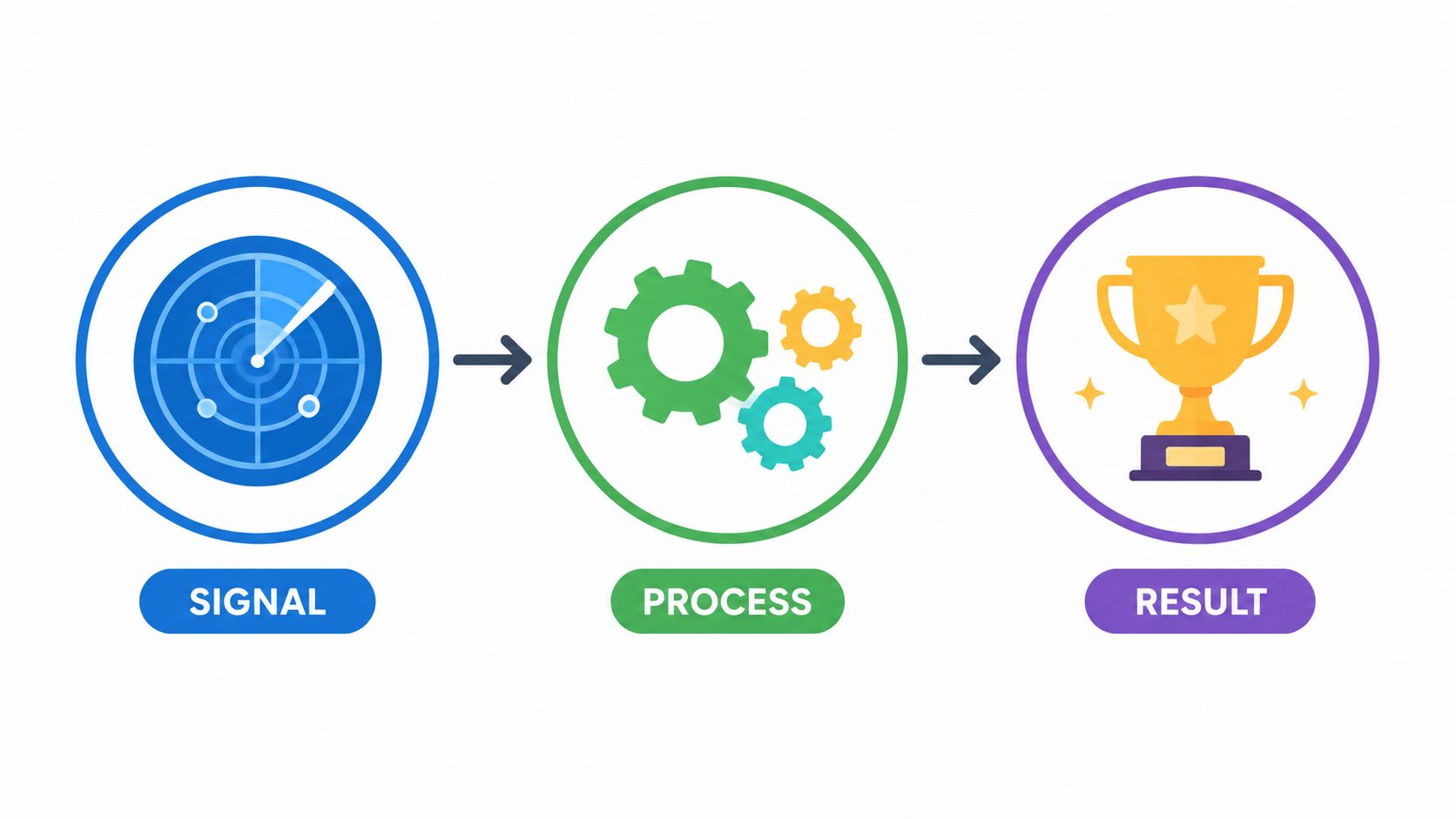
You can also create a decision filter:
Before publishing, score your idea on two dimensions:
Signal, how many people need this?
Interest, how much does it make them care?
If either score is weak, sharpen the idea before you write the tweet.
Avoid naming a framework to make ordinary advice sound proprietary. The label should help readers recall the model. The test is whether you can use it yourself when deciding what to write, edit, or remove.
Keep the application inside the post
Readers shouldn't have to imagine how the model works. Add a concrete use case, such as evaluating a product idea, choosing a marketing angle, or rewriting a weak hook. SupaBird's X-GPT can help reduce the explanation to the minimum viable language, while this collection of X post templates can provide additional structural prompts.
A neutral study in Management Science found that extending microblog length limits increased likes per post and may improve content quality over time. Read the study on longer microblog limits. The practical lesson isn't to use every available character. It's to give a useful framework enough room to make sense.
8 Viral Tweet Template Comparison
Template | Implementation Complexity | Resource Requirements | Expected Outcomes | Ideal Use Cases | Key Advantages |
|---|---|---|---|---|---|
The Hook-Story-CTA Framework | Low–Medium, short 3-sentence structure but needs a strong hook | Low, time to craft hook + concise story and CTA | Higher engagement, more replies and directional actions | Quick tweets, promos, audience engagement prompts | Scannable, curiosity-driven, adaptable across niches |
The Contrarian Take / Flip the Script | Medium–High, needs nuance and credible framing | Medium, evidence or experience to support claim | High viral potential, debate, increased shares | Thought leadership, positioning, provocative commentary | Challenges norms, memorable, sparks discussion |
The Before-After / Transformation Pattern | Medium, requires measured before/after and clarity | Medium–High, data, visuals or metrics to show change | Builds credibility, conversions, emotional resonance | Case studies, product results, personal progress stories | Tangible proof, relatable, visually compelling |
The List / Numbered Breakdown (Thread Starter) | Medium, multiple high-quality items needed | Medium, research and polishing of each item | High saves/retweets, longer session time via threads | Educational threads, how-tos, condensed lessons | Highly scannable, shareable, evergreen value |
The Question-Driven Engagement Loop | Low–Medium, craft specific, non-generic question | Low, time to ask + engage with replies | Very high reply-to-impression ratio, authentic insights | Community building, market research, ideation | Drives conversation, produces actionable feedback |
The Mistake / Lesson Framework ("I Was Wrong") | Medium, requires genuine vulnerability and balance | Low–Medium, reflection and credible outcome data | Increases trust, positive sentiment, deeper engagement | Credibility-building posts, lessons learned, pivot stories | Builds trust, relatable, differentiates from win-focused content |
The Pattern Recognition / Observation Tweet | High, requires original insight and valid pattern | Medium–High, examples, data, cross-checking | Positions as thought leader, sparks rich discussion | Trend analysis, thought leadership, analyst commentary | Memorable, shows expertise, invites expansion |
The Micro-Framework / Mental Model Tweet | High, must be genuinely useful and concise | Medium, testing, naming, and practical example | Saves and long-tail engagement, builds vocabulary | Coaches, educators, consultants, decision-making aids | Reusable, quotable, establishes intellectual brand |
Turn Templates Into Your Own Posting System
The eight formats work because they perform different psychological jobs. Use the Hook-Story-CTA when you have a compact lesson and want readers to take a clear next step. Choose a Contrarian Take when you can challenge familiar advice and defend the replacement. Use Before-After when you've documented a meaningful change and can explain what caused it.
Reach for a List when the idea contains several distinct lessons. Use a Question when the audience's experience will make the post more valuable. Choose the Mistake format when trust matters and you can explain how your thinking changed. Use a Pattern when your authority comes from observation and interpretation. Finish with a Micro-Framework when you can give readers a reusable way to make decisions or solve a recurring problem.
Don't copy the wording of a template. Copy the underlying movement. A hook creates an open loop, a story adds relevance, a contrast creates tension, a question lowers the barrier to participation, and a framework gives the reader something to carry into another situation.
The structure is reusable. Your evidence is what makes it yours.
That distinction matters because viral tweet templates aren't universal copy. A 2026 guide based on analysis of more than 10,000 viral tweets reported that roughly 80% followed recognizable templates and formulas, while another template library reported that some posts from accounts with fewer than 25,000 followers reached 10,000 or more views. Review the template analysis and examples. The point isn't that any formula guarantees distribution. It's that recognizable structures can help smaller accounts package useful ideas clearly.
Test one format at a time so you can learn what your account responds to. Benchmark template-level median engagement against your own recent posts rather than treating raw likes as a universal score. One technical guide recommends calculating engagement rate as (likes + 2 × retweets + 3 × replies) ÷ followers, then comparing cohorts with your account baseline. See the technical benchmarking method.
A simple weekly workflow keeps the system manageable:
Collect ideas: Save customer questions, personal observations, failed experiments, and useful contradictions.
Draft variations: Put the same idea into two or three structures, such as a question, transformation, or framework.
Refine the strongest version: Remove generalities, add evidence, and make the first sentence earn attention.
Schedule consistently: Use a calendar, but leave room to respond while the conversation is active.
Review meaningful signals: Look for thoughtful replies, saves, profile interest, and business conversations, not only visible reactions.
SupaBird can support each stage with Ideas Lab, X-GPT, Engage, X Coach, and its calendar. Used properly, the platform doesn't replace your point of view. It gives you a repeatable way to find, shape, distribute, and review ideas that already come from your own experience.
Use SupaBird to generate template-based ideas, refine drafts with X-GPT, find relevant conversations through Engage, and schedule your strongest posts with its calendar. Start with one of the eight formats this week, publish a version grounded in your own experience, and use the results to build a posting system you can repeat.

The Reply Guy Strategy: A Growth Guide for X

Why New X Accounts Get Less Reach

ClimbX Review (2026): Features, Pricing, Pros and Cons

How Developer Startups Build a Brand on X Before Launch

30-Day Starting Plan for New X (Twitter) Accounts

How Often Should You Tweet for Maximum Growth?

What Should Your First 10 Tweets Be About?

How to Run X for Ten Clients: The Agency Workflow

How to write a bio that gets people to follow you
