
Feel-good captions don't perform because they sound cheerful. They work when they create a specific emotional moment that gives someone a reason to pause, relate, or reply. Recent research makes that more useful than the usual advice to keep every caption short. A preregistered study presented in 2025 examined 75,000 social media posts from nearly 1,000 influencers and found a complex S-shaped relationship between caption length and engagement, including an initial decline followed by a surge that outperformed very short captions (EMAC study PDF).
That means the best format depends on the job your post needs to do. Use warmth for gratitude, vulnerability for connection, encouragement for permission, contrast for clarity, and a direct question when you want conversation. Start with a sharper first line, add one concrete detail, then decide whether a hashtag clarifies the context.
“Good things are happening” is vague. “Shipped the feature I kept postponing for three months. The tiny green checkmark feels enormous” gives readers a moment they can recognize. The ten formats below help you build that kind of post without making your optimism sound manufactured.
Table of Contents
1. The Small Win Celebration
Big announcements can feel distant. Small wins invite people into the process, especially when your audience is also working through early drafts, slow growth, and unfinished projects. A concrete milestone gives the positivity somewhere to land, while the detail behind it makes the achievement credible.
Try a structure such as:
Milestone + honest reaction + specific detail + thanks or next step
Examples:
“Hit 500 followers this week. Feels surreal. Most came from sharing the messy build process, not polished launch posts. Thanks for being here.”
“First $100 in revenue. Not much, but it's honest work. One customer found the product through a reply I nearly didn't send. 🎯”
“Shipped the feature I've been thinking about for three months. Done is better than perfect.”
The emotional tone should match the size of the win. Keep it understated if you're sharing a private breakthrough, more celebratory if the community helped make it happen, and reflective if the post marks a turning point. Avoid stacking several metrics. One meaningful number or milestone is stronger than a parade of proof.
SupaBird's Ideas Lab can help you study how creators you admire frame their wins, including the language they use around effort, timing, and progress. For X, Monday or Friday can suit reflective updates, but your audience's behavior matters more than a fixed rule. Use a hashtag only when it adds context, such as a product launch or creator challenge. Skip it when the post already explains itself.

2. The Gratitude Recognition
Generic thanks are easy to scroll past. Specific recognition turns appreciation into a visible record of contribution, and it gives the person you mention a natural reason to respond or share the post.
Start with the person or group, name what they did, then show what changed:
“Massive thanks to @mentorHandle for pushing me to think bigger. That conversation last month changed the product brief.”
“Everyone who replied with honest feedback on my draft made this better. I rewrote the onboarding section because of your comments. Gratitude looks like action. 🙏”
“My community called out a flaw I missed. Fixed it today. This is why I share work in progress here.”
Tag one to three specific people, not a long list. A focused mention feels deliberate, while a crowded thank-you post can read like an attempt to manufacture reach. Reference an introduction, critique, experiment, or piece of advice instead of saying someone was “amazing” without explaining why.
The strongest version closes the loop. If someone challenged your assumption, tell readers what you changed. If a customer reported a problem, show that you addressed it. That move transforms gratitude from a pleasant sentiment into evidence that participation matters.
SupaBird's Engage module can help you surface high-quality interactions worth acknowledging. Before posting, check whether the person would feel accurately represented by the mention. Hashtags usually aren't necessary here. The tagged account, the concrete action, and the visible result provide enough context.

3. The Lesson Wrapped in Story
Advice becomes easier to remember when readers can see the mistake that produced it. A short story gives your positive message tension, then earns the optimistic ending through a change in behavior.
Open with the problem, not the lesson:
“Spent two weeks optimizing the wrong feature because I didn't ask users first. It cost me momentum. Now I ask before I build. The shortcut is the conversation.”
Other useful patterns include:
“Got rejected by my first customers. I thought the market was wrong. I was solving my problem, not theirs. Everything changed after that shift.”
“Tried posting daily and burned out. Now I publish three thoughtful posts a week. Consistency became sustainable when I stopped confusing frequency with commitment.”
The first line should contain friction. “I learned an important lesson” creates no curiosity, but “I spent two weeks improving something nobody wanted” immediately establishes a problem. End with one principle you now follow, not a list of lessons that dilutes the point.
For a single X post, compress the anecdote until every sentence moves from mistake to insight. If the context needs more room, turn it into a short thread with one idea per post. You can also use Twitter post templates for 2026 as a starting point, then replace the generic wording with your actual sequence of events.
SupaBird's X Coach is useful for checking whether the story sounds relatable or overly polished. Use a hashtag only if the story belongs to a recognizable conversation, such as indie hacking or product design. Otherwise, let the lesson carry the post.
4. The Permission-Giving Statement
Many people don't need more motivation. They need relief from an invisible rule, such as “I must be ready before I publish” or “Changing direction means I failed.” A permission-giving caption removes that pressure and replaces it with a practical next step.
Lead with the permission:
“Your first draft doesn't need to be viral. It needs to exist. Ship it, then improve it in public.”
“You're allowed to pivot. The path you chose six months ago isn't a life sentence.”
“Asking for help isn't weakness. It's how difficult things get built. Stop pretending you figured it all out alone.”
The tone should sound like peer advice, not a speech from a guru. Add one or two sentences explaining why the permission matters, then ground it in your own behavior. “I ship imperfect work constantly, and every rough version teaches me what the polished version needs” feels more trustworthy than an abstract command to be brave.
This format works best when you identify a fear your audience has already expressed. SupaBird's Ideas Lab can help you notice recurring concerns in the posts and conversations you follow. Turn those concerns into direct statements, but avoid pretending that every obstacle is easy. Permission should reduce unnecessary shame, not erase real difficulty.
Use a hashtag only when it names the context, such as #BuildInPublic. If the post is personal or emotionally direct, a hashtag can make it feel packaged. The sharper edit is often to remove it and leave the final sentence alone.

5. The Contrarian Comfort Reframe
A positive caption doesn't have to agree with the popular advice. Sometimes comfort comes from showing readers that the rule they're struggling to follow was poorly framed in the first place.
Try a clear reframe:
“More followers don't automatically mean more reach. Better followers do. Build for people who care, not empty numbers.”
“Daily posting can burn you out faster than weekly quality. Your brain needs rest, and your audience needs something worth returning to.”
“Networking events aren't the only path to relationships. Consistent public writing can create trust before the first conversation.”
The hook should challenge a familiar assumption, but the second line must explain why it matters. Without that explanation, the post feels like bait. Add a personal observation, a trade-off, or a small test you've run. “I stopped chasing broad impressions and focused on replies from people who could use the product” is more useful than declaring that reach doesn't matter.
Contrarian comfort works when it gives people permission to choose a sustainable approach. It doesn't work when the opinion exists only to provoke. Avoid absolute language unless you can defend it with clear experience, and follow the post with examples if readers need to see how the reframe operates.
You can use SupaBird's viral templates to organize the contrast, then rewrite the language until it sounds like your voice. Hashtags are usually optional. A niche tag may help discovery, but a controversial idea often benefits from a clean post that lets readers focus on the argument.
6. The Question Spark
A question can turn a cheerful post into a conversation, but only if readers know exactly what kind of answer you want. “What do you think?” asks for too much effort. A focused question gives people an easy entry point.
Use a specific prompt:
“What's the main thing holding you back from shipping your idea? I'm collecting patterns, not perfect answers.”
“You get one piece of feedback about your work. Would you choose encouragement or honesty? Why?”
“What small win are you proud of this week?”
A strong question follows a brief setup. Tell readers why you're asking, what you're trying to understand, or how you'll use their responses. That context makes the invitation feel genuine rather than like an engagement request.
Your opening line still matters. A useful guide to writing hooks can help you sharpen the first sentence before you add the question. Keep the emotional temperature warm, especially if you're asking about failure, doubt, or unfinished work. People answer more freely when they don't feel tested.
Reply to early participants while the post is active. Don't just thank them. Ask a follow-up, reflect a pattern, or share your own answer. SupaBird's Engage module can help you review which questions generated meaningful replies, while Ideas Lab can turn recurring answers into future posts.
For X, hashtags are rarely needed on a direct question. They can make sense for a structured community prompt, but the question itself should remain the focus.
7. The Vulnerability-Strength Bridge
Vulnerability creates connection when it includes a boundary and a point. The most effective version names the struggle, identifies its cost, then shows the strength or principle it produced.
Consider these examples:
“I avoided posting because I feared criticism. That fear cost me years of practice. Now I treat thoughtful critique as free consulting.”
“I'm naturally introverted, and networking feels exhausting. Written conversations helped me build relationships without performing confidence I didn't feel.”
“I failed several times before this idea worked. Each failure taught me what customers wanted, instead of what I assumed they wanted.”
Open with the uncomfortable truth, not the success. If you lead with the achievement and add a struggle as decoration, the post can sound like a humblebrag. Name the actual cost, whether it was lost time, emotional energy, a missed opportunity, or a decision you regret.
Then bridge directly to the insight. “I became stronger” is too vague. “I stopped needing permission to publish” gives the reader a principle they can apply. The positive feeling comes from earned perspective, not forced cheerfulness.
Use viral tweet templates for structure if you need help compressing the arc, but keep the emotional language yours. SupaBird's X Coach can help you reduce oversharing and make the lesson clearer. Hashtags can weaken an intimate post, so add one only when it helps readers understand the professional or community context.
8. The Contrast Teaching
Contrast lets readers understand change without a long explanation. Put the old behavior beside the new one, then name the principle that connects them.
A simple format looks like this:
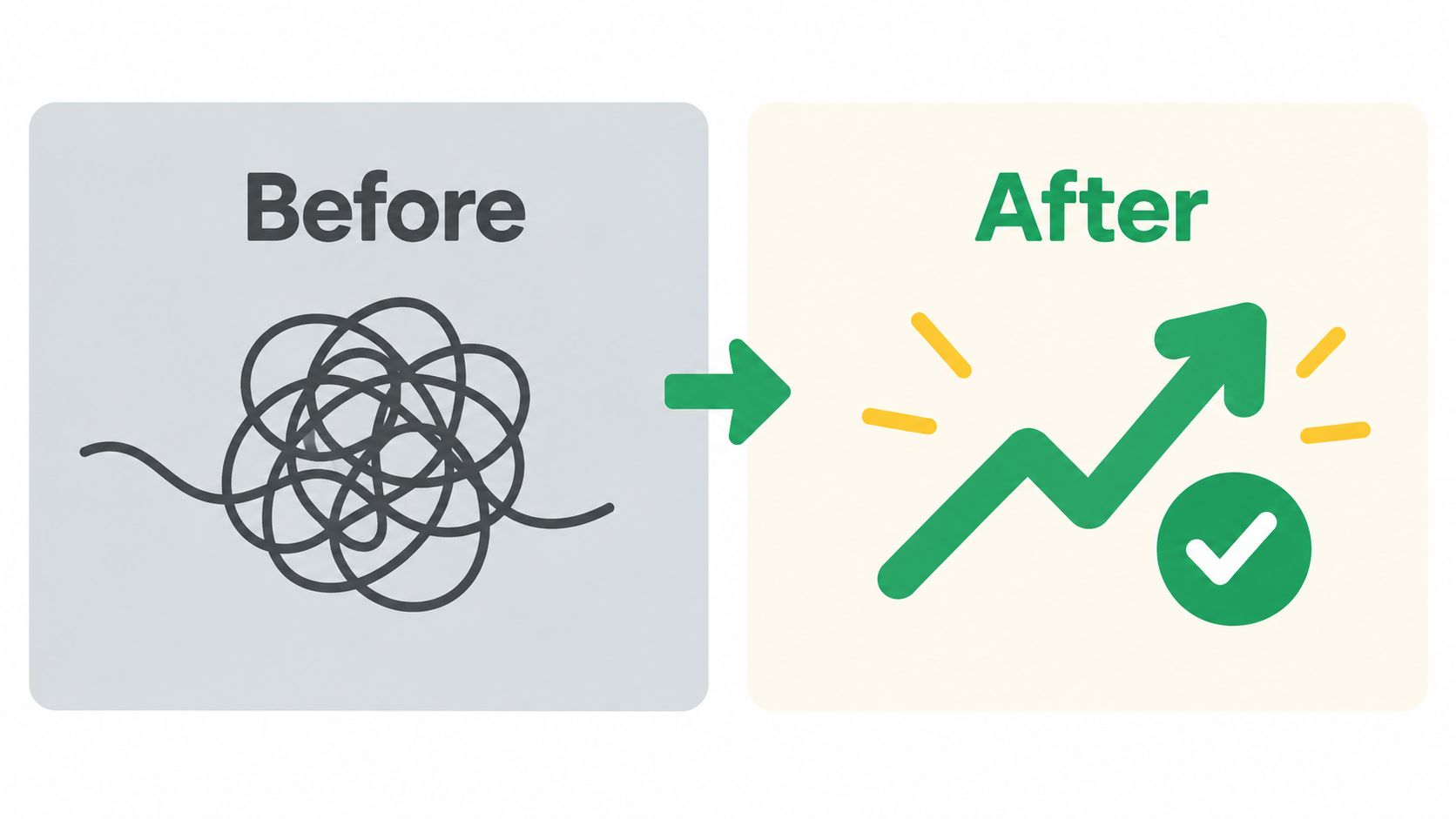
“Before: I posted whenever inspiration arrived. After: I planned content ahead. Result: fewer panic sessions. The difference was a system, not better motivation.”
You can adapt it to communication:
“Then: I replied to every critical comment. Now: I answer good-faith questions. The critics stayed critics, but my attention came back.”
“Old approach: build in secret, launch big. New approach: share the work, collect feedback, improve in public.”
Use a timeline when it helps readers judge the change. They want to know whether the shift happened after one experiment or sustained practice. If you include an outcome, make sure it's your own verified observation. Don't add impressive-looking figures just to make the post sound more persuasive.
Line breaks, arrows, and labels can make the contrast scan quickly on X. Keep the emotional payoff in the final sentence, where you explain what the change made possible. A hashtag may clarify a topic such as #BuildInPublic, but don't add one when it competes with the before-and-after structure.
For visual storytelling, pair the caption with a screenshot, product change, or short demonstration. A video can show the difference more efficiently than a paragraph, especially when the transformation is visible.
9. The Micro-Insight Pattern Break
A micro-insight should feel small enough to understand instantly and sharp enough to change how the reader sees a problem. It's not a motivational slogan. It's a precise observation with a turn.
Try these structures:
“You don't have an audience problem. You have a consistency problem.”
“Many don't fail when they start. They fail when they stop.”
“The best marketing is building something worth talking about. Everything else supports that.”
Parallel wording makes the idea memorable, but the insight still needs substance behind it. Ask whether the statement would remain useful if nobody reposted it. If the answer is no, it may be optimized for applause rather than clarity.
A strong micro-insight often uses the pattern “The problem isn't X. It's Y.” That structure works because it corrects the reader's diagnosis, then gives them a more actionable place to look. Follow it with a second post or short thread if the reasoning deserves detail.
Use content idea discovery guidance to find recurring problems in your audience's conversations. SupaBird's Ideas Lab can also help you test different phrasings against the style of creators your audience already reads. Keep the hook clean, and use hashtags only when the insight belongs to a defined professional topic.
The positive emotion comes from recognition. Readers feel lighter when a complicated problem becomes understandable, even if the solution still requires work.
10. The Community Spotlight
A community spotlight makes a follower's contribution visible. The emotional job is recognition, but the engagement job is collaboration. When you identify what someone did well, you give them a meaningful reason to join the conversation and show the rest of your audience what quality looks like.
Use a specific structure:
“@follower shipped a side project this week and shared the lessons openly. The detail I appreciated most was the explanation of what didn't work. More creators need that kind of honesty.”
Other examples:
“Love seeing @member explore this topic in depth. Their reply changed how I think about the problem. Follow them for thoughtful breakdowns.”
“@newcreator published their first thread today. Nervous but honest is exactly the energy worth supporting. Go give it a read.”
Mention the work, not just the person. Explain what you learned, what surprised you, or which decision deserves attention. Then invite your audience to follow, read, or respond. That creates a clear path for engagement without turning the spotlight into a popularity contest.
SupaBird's Engage module can help you find thoughtful replies and emerging contributors. A recurring series, such as Friday Features or Follower Finds, gives the practice a dependable rhythm. Before tagging someone, check that the description is accurate and that the mention won't expose anything they shared privately.
Hashtags are optional. Use one if the spotlight belongs to a defined creator community or topic. For visual creators, these photographer social media tips can also help you think about how recognition and presentation work together across social platforms.
10 Feel-Good Caption Types Compared
Caption Style | Implementation complexity | Resource requirements | Expected outcomes | Ideal use cases | Key advantages |
|---|---|---|---|---|---|
The Small Win Celebration | Low | Minimal (simple metrics, casual visuals) | Steady engagement, authenticity, repeat visits | Early-stage creators, weekly updates, progress posts | Relatable, easy to repurpose |
The Gratitude Recognition | Low–Medium | Genuine relationships, tagging, specific context | Strengthened bonds, amplified reach via mentions | Collaborations, mentor thanks, community milestones | Builds reciprocity and social proof |
The Lesson Wrapped in Story | Medium | Time to craft an anecdote, vulnerability, possible thread | High saves/shares, memorable learning, authority | Founders, coaches, long-form insight threads | Teaches via narrative, more memorable than facts |
The Permission-Giving Statement | Low | Authentic voice, brief example or reason | Emotional resonance, increased confidence and loyalty | Overcoming perfectionism, calls to ship or pivot | Reduces psychological friction, motivates action |
The Contrarian Comfort Reframe | Medium | Evidence or testing to support the reframe | High comments/debate, visibility for thought leadership | Opinion pieces, attention-grabbing posts, debates | Positions creator as independent thinker |
The Question Spark | Low | Well-crafted specific questions, moderation | High reply rate, crowd-sourced insights, idea generation | Market research, community engagement, content ideation | Converts lurkers to active commenters |
The Vulnerability-Strength Bridge | Medium–High | Significant authenticity, careful framing | Deep trust, stronger follower loyalty, motivational shares | Personal brand building, long-form reflections | Balances empathy with competence |
The Contrast Teaching (Before/After) | Low–Medium | Metrics or visuals for clear before/after | Fast comprehension, high shareability and saves | Case studies, transformation stories, productivity tips | Teaches quickly via clear contrasts |
The Micro-Insight Pattern Break | Low | Sharp/witty thinking, concise phrasing | High quote-tweet/retweet potential, quick virality | Short feed hits, reputation building, lead-ins to threads | Highly quotable and immediately shareable |
The Community Spotlight | Medium | Ongoing monitoring, tagging, curation time | Increased loyalty, UGC, network amplification | Weekly features, community growth, supporter recognition | Creates ambassadors and drives reciprocity |
Turn Good Feelings Into Better Conversations
The right caption starts with the emotion you want to communicate. Don't begin with a formula and force your experience into it. Begin with the moment, then choose the format that gives that moment the clearest shape.
Use this editing pass before publishing:
Name one real emotion: Choose gratitude, relief, pride, hope, amusement, or encouragement. A caption that tries to express everything usually lands as generic.
Lead with a concrete detail: Mention the shipped feature, difficult conversation, honest reply, customer insight, or small milestone that makes the feeling believable.
Match the format to the response: Use a small-win caption for recognition, a story for a lesson, a permission statement for encouragement, and a question when you want readers to participate.
Rewrite the final line: If conversation matters, replace a broad ending with a specific invitation. Ask what readers experienced, chose, changed, or learned.
Make the hashtag earn its place: Add one when it clarifies the post's subject or community. Remove it when it makes a personal message feel labeled.
Length deserves deliberate testing too. A 2026 analysis of 4,408 Instagram posts found that captions from 301 to 800 characters produced a 4.2% median engagement rate, while captions from 126 to 300 characters produced 3.94%; the weakest band was 51 to 125 characters at 2.04% (Upgrow's Instagram caption study). The same dataset found that one to 50 character captions had the highest median engagement at 6.23%, but on lower median reach, which suggests that short copy suits highly visual posts while longer copy can supply emotional context.
That finding isn't a rule for X, and it shouldn't replace your own testing. It does challenge the assumption that every feel-good caption should be a one-liner. A short, punchy post may work when the image carries the story. A longer reflection may work when readers need the context behind a milestone, change, or community lesson.
Rotate the ten formats instead of repeating the same cheerful sentence. Use SupaBird's Ideas Lab to develop angles, the Engage module to find conversations worth joining, X Coach to refine tone and hooks, and the calendar to schedule a steady mix. These tools can support the workflow, but the emotional detail still has to come from you. Guidance on AI content repurposing best practices can also help you adapt one honest story into several platform-ready versions without flattening its meaning.
Today, choose one recent moment you're proud of. Turn it into a small-win celebration, add one detail that proves it happened, and finish by asking a question your audience can answer from experience. That's how a positive post becomes a conversation people want to join.
SupaBird helps creators, founders, and marketers develop X post ideas, find high-impact conversations, refine drafts, and schedule content with its Ideas Lab, Engage module, X Coach, and calendar. Use SupaBird to turn one genuine moment into a clearer feel-good caption and publish it when your audience is ready to respond.

How Developer Startups Build a Brand on X Before Launch

30-Day Starting Plan for New X (Twitter) Accounts

How Often Should You Tweet for Maximum Growth?

What Should Your First 10 Tweets Be About?

How to Run X for Ten Clients: The Agency Workflow

How to write a bio that gets people to follow you

Digital Product Launch Strategy

Best Twitter Growth Service for Creators in 2026
From X to Every Platform: Repurpose Without Flopping
