Courtland Allen’s Story From Failure to $95B Exit
Author:
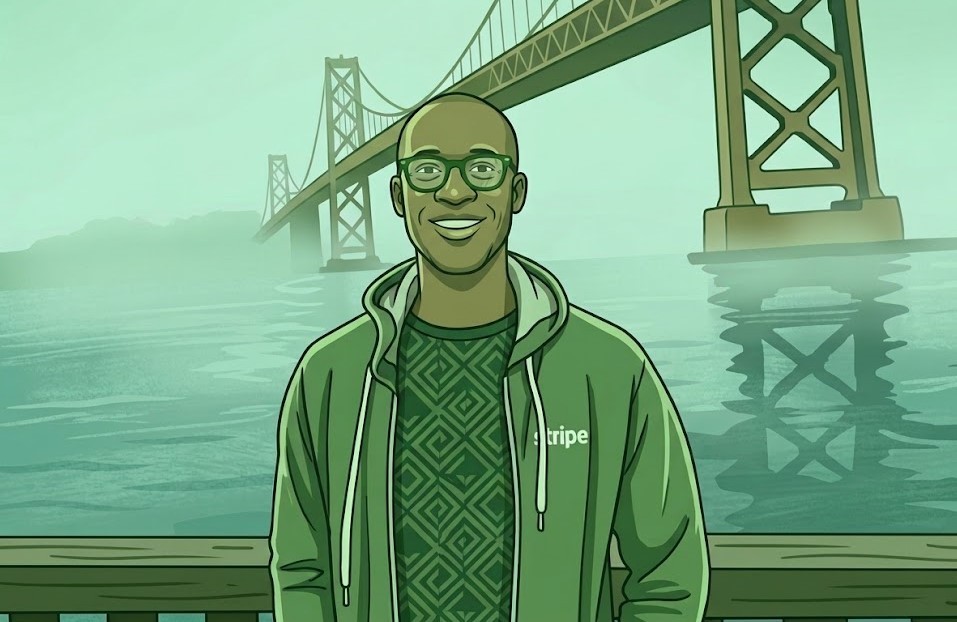
For aspiring founders and creators, the path to building a successful online business is often romanticized. Rarely do we see the years of struggle, the repeated failures, and the sheer grit it takes to achieve independence.
Then there’s Courtland Allen, whose story isn't a fairytale, it's a masterclass in perseverance, community building, and strategic growth on platforms like X (formerly Twitter). From a childhood spent in his mom's computer hardware store to selling his startup to Stripe and amassing hundreds of thousands of followers, Allen’s journey offers a blueprint for anyone looking to escape the 9-to-5.
This is the story of how one indie hacker turned his obsession with helping others into the world's largest community for bootstrappers.
The MIT Grad Who Couldn't Catch a Break
Long before the massive follower count and the successful acquisition, Courtland Allen was just a kid who loved computers. Growing up, his mom owned a computer hardware business, and his father built furniture for celebrities. For the Allen family, entrepreneurship wasn't a risk, it was the norm. By fifth grade, Courtland had a singular goal: learn to code and build his own future.
After graduating from MIT with a computer science degree, Allen dove headfirst into the startup world. But reality hit hard.
He launched four separate startups, including one that was a Y-Combinator alum, and all of them failed. These weren't small stumbles; they were demoralizing losses that forced him to question the traditional Silicon Valley path. His first project, Fmail, let people check Gmail inside Facebook. It was interesting, but it flopped. Then came Syphir (advanced Gmail filters) and Taskforce (email-to-task converter), which got him into YC but still didn't gain traction.
Despite the failures, Allen kept a detailed list of his mistakes, meticulously tracking what went wrong so he wouldn't repeat it. He learned the hard way that great coding isn't enough, if you neglect sales, marketing, and community, you won't survive.
The Startup Struggle: A Decade of Failure
2007 (College): Launches Fmail, a tool to check Gmail inside Facebook. It fails to gain traction.
2009: Graduates from MIT with a degree in Computer Science.
2010: Founds Syphir, which sells advanced Gmail filters. The company shuts down after failing to take off.
Fall 2010: Founds Taskforce, an email-to-task conversion tool.
Winter 2011: Taskforce is accepted into Y Combinator. During the crucial demo day, Allen struggles to answer investors' questions, and the startup is eventually abandoned in 2012.
2012-2016: Founds Siasto, a project management software that raises $750,000 from investors but ultimately fails to achieve the desired growth.
The Breakthrough: Indie Hackers & The Stripe Acquisition
August 2016: Launches Indie Hackers, a website and community for bootstrapped founders to share their stories transparently.
April 2017: Just eight months after launch, Stripe CEO Patrick Collison emails Allen with the subject line "Acquire Indie Hackers." The acquisition is announced, with Allen taking on the role of "Indie Hacker at Stripe."
2017-2023: Under Stripe, Allen continues to run the platform, hosts the popular Indie Hackers podcast, and grows the community into a global hub for entrepreneurs.
Recent Developments & A New Chapter
March 2023: Indie Hackers spins back out as an independent business, with Stripe remaining as a seed investor.
Present Day: Allen continues to lead Indie Hackers as an independent entity, all while maintaining a powerful presence on X, where he has grown his audience to nearly 190,000 followers.
The Big Idea: Building a Home for Bootstrappers
After years of frustration, Allen realized something crucial: successful indie founders' stories were scattered across the internet or hidden entirely. There was no central hub where bootstrapped entrepreneurs could share real revenue numbers and specific growth strategies without the VC hype.
So, in August 2016, he built Indie Hackers, a platform dedicated to "indie hackers," or entrepreneurs working to gain financial, creative, and temporal freedom. His philosophy was radical in its simplicity: help founders help each other. No corporate fluff, just transparent stories about what actually works.
The approach worked almost immediately. Less than eight months after launch, Stripe CEO Patrick Collison sent Allen an email with the subject line "Acquire Indie Hackers". Stripe saw the immense value in the community and acquired it in April 2017, with Allen staying on to lead the team.
The platform quickly grew into a self-sustaining ecosystem where experienced founders mentor newcomers, generating an estimated $50,000 to $100,000 per month in revenue. But for Allen, the real win wasn't the exit, it was building something that actually helps people.
How X Helped Courtland Allen Scale His Impact
Behind every great indie hacker is a force multiplier. For Courtland Allen, that force multiplier was X (Twitter).
While his grit and community-building instincts laid the foundation, X accelerated everything. It turned his thoughtful threads into viral conversations. It connected him directly with aspiring founders who needed his message. And it gave Indie Hackers a daily distribution engine that no email newsletter could match.
Here's exactly how X helped Allen transform from a failed founder into a community leader:
1. X gave him a feedback loop. Every tweet became a mini-experiment. When he shared what was working (or failing) at Indie Hackers, the replies and engagement told him what resonated. He didn't guess, he listened.
2. X amplified his "build in public" philosophy. Allen didn't just share wins; he shared struggles, metrics, and lessons. This transparency turned passive followers into loyal advocates who rooted for his success.
3. X unlocked network effects. One thoughtful reply to a founder's question could lead to dozens of new followers. One retweet from a larger account could bring thousands of eyes to Indie Hackers. X rewarded genuine contribution, not self-promotion.
4. X became his research lab. By observing which topics sparked discussion, Allen discovered exactly what bootstrapped founders needed: revenue numbers, failure stories, and actionable tactics. He then brought those insights back to Indie Hackers.
How Courtland Allen Cracked the Code on X Growth
For indie hackers and founders, X (formerly Twitter) is the ultimate launchpad. It's where you build an audience, test ideas, and drive traffic to your product. Courtland Allen is a master of this, having grown his personal account @csallen to nearly 190,000 followers.
But he didn't get there overnight. In an interview, Allen explained that mastering Twitter requires intense focus. He cited a friend who dedicated five full months to experimentation before nailing his strategy. The result? That friend now gains over 1,000 new followers every week. The lesson is clear: you can't dabble in X. You need to commit, experiment, and learn what resonates.
Allen's personal philosophy on growth is deeply intertwined with his work at Indie Hackers. He advocates for broadcasting your customers' success stories, making them as visceral and inspiring as possible. This approach turns passive readers into eager followers who want to replicate that success.
The Content Engine: Quality Over Guesswork
If you study Allen's approach, it aligns perfectly with the data-driven content strategies used by today's top creators. He doesn't just post for the sake of posting; he focuses on high-value content that sparks conversation.
Here are the core tactics that helped fuel his growth:
Value-First Content: Share actionable tips, personal insights, or relatable struggles consistently. Allen's threads often break down complex startup concepts into digestible lessons.
Engage Relentlessly: It's not a broadcast channel. Allen is known for replying to comments, asking questions, and being approachable in DMs.
Build in Public: By transparently sharing his journey, including the failures and pivots, he builds trust and an authentic connection with his audience.
Key Takeaways for Your Indie Hacking Journey
Courtland Allen's story isn't just inspiring, it's instructional. Whether you're building a SaaS, a newsletter, or a personal brand, these lessons are universal:
Solve Your Own Problem. Allen built Indie Hackers because he needed a community of founders. The best businesses come from personal pain points.
Launch Before You're Ready. Don't wait for the perfect product. Allen launched Indie Hackers and iterated based on user feedback. As he famously advises, "Don't wait for your product to be perfect before launching".
Focus on Community, Not Just Content. Allen initially thought content would be king, but he learned that community engagement is everything. A platform dies if people aren't talking to each other.
Commit to X (and Use Data). Building an audience on X takes consistent, focused effort. Use tools like SupaBird to analyze the data, find what works, and accelerate your growth.
Courtland Allen is proof that you don't need a massive VC bankroll to make a dent. Just a good idea, a lot of grit, and a willingness to share the process openly. Your journey starts today, with the right strategy and the right tools, you can build your own success story.
How SupaBird Helps You Replicate This X Growth Strategy
So, you've read Allen's playbook. You understand you need consistency, data, and engagement. But how do you actually do it without spending five months in a trial-and-error black hole?
That's where SupaBird comes in.
Most founders are still "guessing" what to tweet. They open X, stare at a blinking cursor, and hope for the best. SupaBird transforms this process by acting as a data engine for your content strategy. Instead of guessing, you can analyze what's already working in your niche.

The Reply Guy Strategy: A Growth Guide for X

Why New X Accounts Get Less Reach

ClimbX Review (2026): Features, Pricing, Pros and Cons

How Developer Startups Build a Brand on X Before Launch

30-Day Starting Plan for New X (Twitter) Accounts

How Often Should You Tweet for Maximum Growth?

What Should Your First 10 Tweets Be About?

How to Run X for Ten Clients: The Agency Workflow

How to write a bio that gets people to follow you
